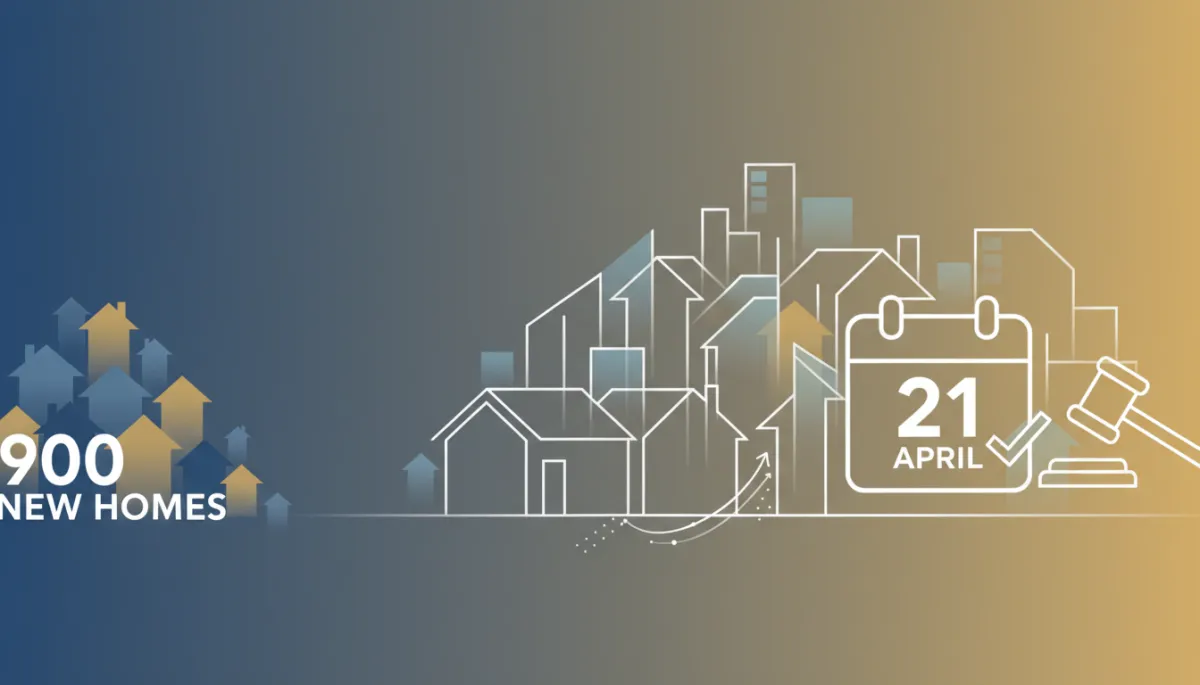
Greensboro's 900 New Homes: City Council Decision
Greensboro Housing, City Council Updates
900 New Homes in Greensboro? What the April 21 City Council Vote Means for You
Greensboro is weighing a major decision: whether to move forward with annexation and rezoning that could pave the way for roughly 900 new homes near Old Randleman Road. With public hearings scheduled for the April 21, 2026 City Council meeting, many residents are asking what this could mean for their neighborhood, their commute, and their housing options.
Where Do the “900 New Homes” Come From?
Local real estate conversations have focused on a large proposed development near Old Randleman Road, sometimes described as a roughly 900‑home community backed by developer VennTerra. The project would sit on land that is not yet fully inside the Greensboro city limits, which is why annexation and rezoning are critical first steps before any homes can actually be built (homesintriadnc.com).
On March 17, 2026, Greensboro’s City Council set the stage by scheduling public hearings for April 21 on several annexation and rezoning requests, including more than 100 acres at 5101, 5113, and 5327 ZZ Old Randleman Road, plus related road segments such as portions of Willow Road and all of Sharpe Road (eScribe agenda). Those hearings are a crucial gateway for any large‑scale neighborhood of new homes.
What Exactly Happens at the April 21 City Council Meeting?
The April 21, 2026 meeting, scheduled for 5:30 p.m. in the Katie Dorsett Council Chambers, is set to include public hearings on annexation and rezoning related to Old Randleman Road and other parcels (official meeting schedule). During these hearings:
City planning staff will outline what is being requested and how it aligns with Greensboro’s long‑term plans, including the GSO 2040 comprehensive plan and the “Road to 10,000” housing initiative.
The developer or property owner may present details about the concept—such as the number of homes, general layout, and expected price points or housing types (for example, single‑family, townhomes, or a mix).
Members of the public can speak for or against the proposals, raising questions about traffic, schools, stormwater, affordability, and neighborhood character.
As of now, there is no publicly available record confirming how Council will vote, or even whether a final decision will be taken on April 21 itself. Sometimes, Council votes immediately after a hearing; other times, they continue, modify, or delay items for additional study. Meeting minutes and vote tallies are usually posted later through the City’s eScribe portal and official website, so it is worth checking back there for confirmed outcomes.
💡 Pro Tip: If you care about this project, consider attending the April 21 meeting in person or watching the livestream, then follow up by reading the approved minutes once they are posted.
Why 900 Potential New Homes Matter for Everyday Residents
Greensboro is already leaning into growth. City leaders recently adopted the Vision 36 framework, which ties together plans for housing, jobs, and infrastructure through 2036 and supports the city’s goal of adding 10,000 new housing units (Vision 36 coverage). A single development with around 900 homes could represent almost 10% of that long‑term target—on one site.
For individuals and families, that scale has real‑world implications:
More buying and renting options. If approved and built, 900 homes could ease some pressure in a tight market, especially when paired with other initiatives like the Housing First pilot program and efforts to distribute affordable housing more evenly across the city (WFDD reporting).
Neighborhood change and traffic. A large new subdivision can bring more cars onto local roads, shift school attendance zones, and eventually attract new shops, services, and parks. If you live near Old Randleman Road, you may feel these changes most directly.
Property values and taxes. New construction can raise nearby property values, which some homeowners welcome. At the same time, Guilford County’s recent tax revaluation has already pushed many bills higher, especially in modest neighborhoods. Any future bump in values could further affect what you pay in property taxes—or, as a renter, what your landlord charges.
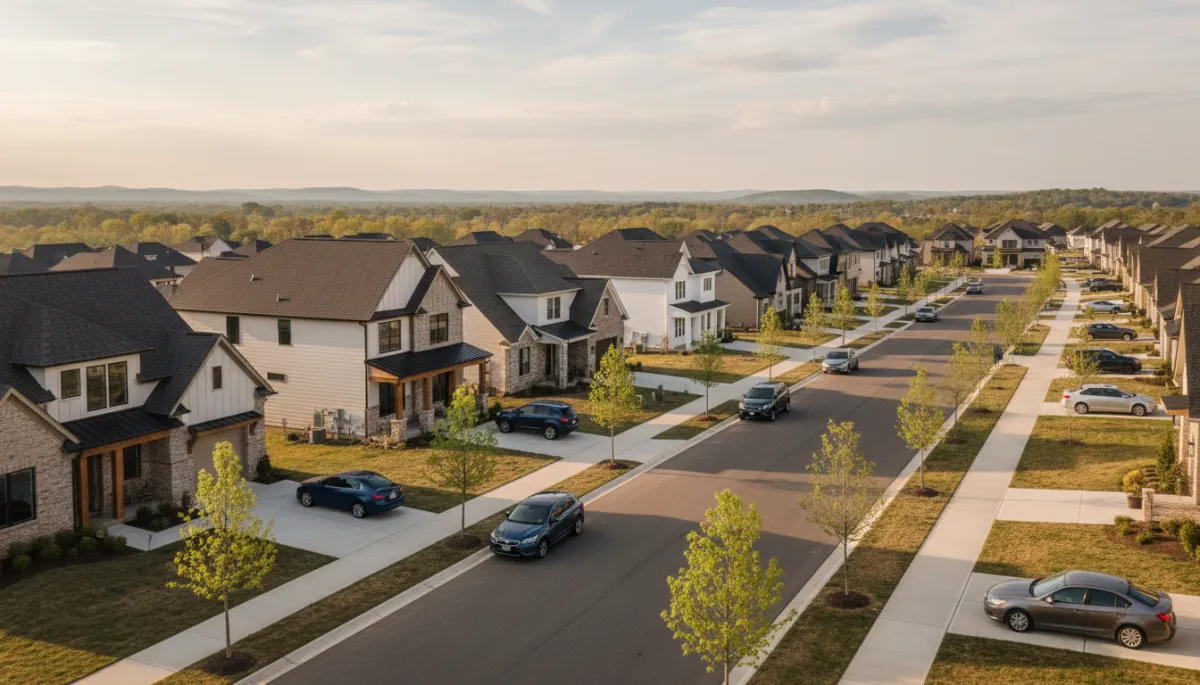
Large new neighborhoods can reshape traffic, schools, and housing choices for nearby residents.
How to Decide Where You Stand on the Vote
Because final vote details are not yet public, this is the time to think about what matters most to you and, if you wish, to share that with Council before or during the April 21 hearing. As you weigh the proposed 900‑home development, consider questions like:
Will this project add the kind of homes Greensboro most needs—starter homes, townhomes, rental units, or something else?
Are there clear plans for roads, sidewalks, transit, and schools to keep up with the added population?
How might this development support—or strain—Greensboro’s broader goals around equity, affordability, and access to opportunity?
📌 Key Takeaway: The April 21 City Council vote is not just a technical decision about annexation and zoning. It is a choice about how, where, and for whom Greensboro grows over the next decade.
Staying Informed After April 21
Once the meeting is over, it may take days or weeks for the official minutes and vote records to appear online. To stay up to date:
Check the City’s meeting portal for “agenda + minutes” for April 21, 2026.
Watch for follow‑up coverage from local outlets such as the Greensboro News & Record or Triad Business Journal, which often summarize major development decisions.
If you live nearby, stay connected with neighborhood associations or online community groups that track zoning and development issues.
Whether you are a longtime homeowner, a renter looking for more options, or someone considering a move to Greensboro, the potential for 900 new homes—and the April 21 City Council vote that helps decide their fate—deserves your attention. By understanding the process and speaking up about your priorities, you can help shape how Greensboro grows, and what kind of city it becomes for you and your neighbors in the years ahead.